Solo Travel in Egypt: The Complete Guide
By Islam Hussein · November 13, 2026
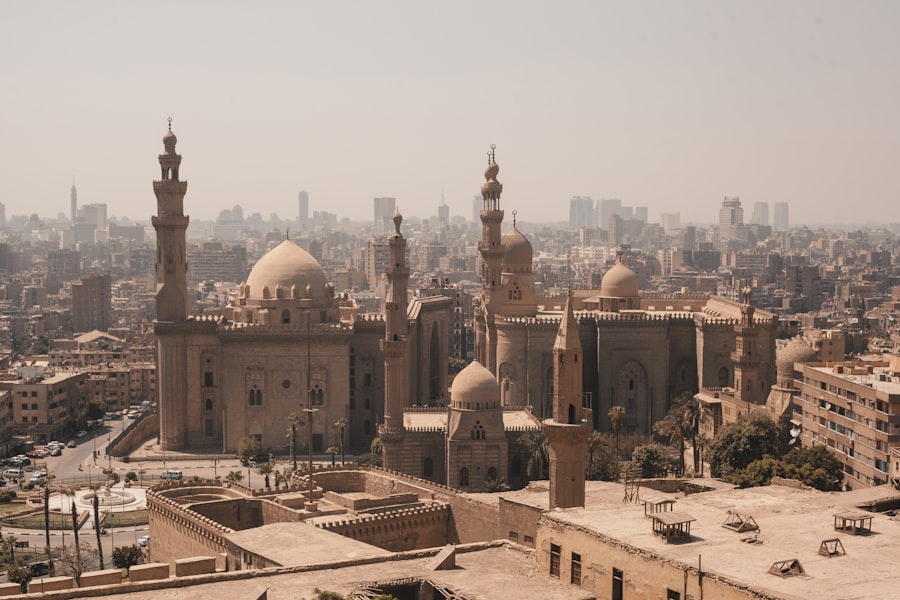
In short: Is Egypt good for solo travel? Yes, with open eyes. It is affordable by European standards, the classic route is dense with sights, and the tourism infrastructure means company and help are rarely far away. The two real frictions are street attention and the solo room premium; both are manageable with the habits in this guide.
Prices, timetables and visiting details are a November 2026 snapshot. Check the linked official pages and your departure’s current inclusions and terms before booking.
The quick answer
Is Egypt good for solo travel? Yes, with open eyes. It is affordable by European standards, the classic route is dense with sights, and the tourism infrastructure means company and help are rarely far away. The two real frictions are street attention and the solo room premium; both are manageable with the habits in this guide.
Is it safe to travel Egypt alone? No destination is risk-free, and Egypt's official advice is mixed: as of 8 November 2026 the UK, US and Canadian governments all advise caution nationwide because of terrorism, and all name areas to avoid (North Sinai, the Libyan border and parts of the Western Desert), while describing the main Nile Valley tourist route as outside those warnings. The UK Foreign Office calls the crime rate generally low, and the problems travellers meet most often are ordinary ones: traffic, heat, touts and tiredness. Read your own government's advice in the week you book.
Will I pay double for travelling alone? Hotels often add a single supplement, and many private tours are priced per vehicle or per pair. On Sawa's shared day tours the price is fixed per traveller with no solo surcharge, and groups never exceed eight.
How do I meet other travellers? Pick the places built for it: social hostels, small-group day tours, felucca trips and shared departures. The full list is in the section on meeting people below.
Key facts
| Fact | Detail |
|---|---|
| Where | Cairo, Luxor, Aswan and the Nile: the classic first-timer corridor |
| Best time to visit | Roughly October to April, when the south is cooler |
| Time needed | 7 to 10 days covers the highlights comfortably |
| Typical cost | Third-party 2026 estimates run from about US$30 to 50 a day (backpacker) to US$80 to 150 (mid-range), excluding international flights. See the cost section for sourced prices |
| Getting around | Ride-hailing apps in cities, the Cairo Metro (with women-only cars), domestic flights and the Watania overnight sleeper train |
| Good for | First-time solo travellers, women travelling alone, backpackers, anyone tired of paying double |
| Not ideal for | Travellers who want no street interaction at all; independent travel on remote desert roads |
| Join it on Sawa | Browse forming and confirmed departures: shared tours, maximum 8 travellers, no solo surcharge on day tours |
Travelling Egypt alone raises three questions before any other: is it safe, will I be lonely, and will being alone cost me double. This guide answers all three with the same standard: what is documented and what we see on the ground, not what the headlines say. It covers safety, the single supplement, where to stay, how to get around, and how to end up with a group without giving up travelling alone. It is written by the team behind Sawa Tours (sawa.tours), the Egypt shared-departure marketplace: we have worked in Egyptian tourism since 1993.
What travelling Egypt alone is actually like
Egypt is one of the easier countries in which to be alone, and one of the loudest about it. The classic Cairo, Luxor and Aswan corridor runs on tourism: sites have ticket offices, guides and tourist police; the cities along it are used to visitors; and other travellers are on the same route, so a solo day often ends with people to eat with.
The loud part is attention. Being visibly alone makes you a customer to every vendor, tuk-tuk driver and self-appointed guide, and the first day of saying la, shukran ("no, thank you" in Arabic) can feel relentless. For most travellers it eases as the phrases become automatic, and much of the attention is commerce rather than threat. The travellers who struggle are the ones who expect silence; the ones who expect a market atmosphere usually cope well.
Is Egypt safe for solo travellers?
It depends on where you go and how you travel, and no government or tour company can promise more than that. The honest summary, as of 8 November 2026, has three parts: what the official advice says, what is likely to touch an ordinary visitor, and what a solo traveller can do about both.
What the official advice says
| Government | Overall position | Areas it names |
|---|---|---|
| UK: FCDO Egypt travel advice (updated 27 October 2026; shown as current on 7 November 2026) | Advises against travel only to parts of Egypt. Warns that terrorists are likely to try to carry out attacks, which could be indiscriminate and could take place in places visited by foreigners | Advises against all travel to North Sinai Governorate and within 20 km of the Libyan border. Advises against all but essential travel to northern South Sinai beyond the St Catherine to Nuweiba road (coastal areas excepted), parts of Ismailia east of the Suez Canal, the Bahariya to Siwa road, and the Western Desert except listed areas, which include Luxor, Aswan, Abu Simbel, the Valley of the Kings, Faiyum, Siwa oasis, the White and Black Deserts and the main oases |
| US: State Department Egypt advisory | Level 2, "Exercise Increased Caution", as reported in 2026 and restated in US Embassy Cairo alerts of March and April 2026 | Do not travel to Northern and Middle Sinai or to parts of the Western Desert |
| Canada: Travel advice and advisories for Egypt (page dated 26 May 2026) | "Exercise a high degree of caution" overall, with a threat of terrorism | Avoid all travel to North Sinai, within 50 km of the Libyan border and in the Western Desert west of the Giza, Luxor, Aswan and Abu Simbel road; avoid non-essential travel north of the St Catherine, Nuweiba and El Tor road |
Three points follow. First, none of the three advises against the Cairo, Luxor, Aswan and Abu Simbel corridor itself, but all three warn of a terrorism risk, so "not named" is not the same as "no risk". Second, advice changes, sometimes for regional politics rather than events on the ground; the FCDO last updated its Egypt page on 27 October 2026. Third, the FCDO notes that your travel insurance could be invalidated if you travel against its advice, so check your plans and your policy together.
What actually touches travellers
The FCDO describes the crime rate as generally low and asks visitors to take the same sensible precautions as at home. Security is visible: the Tourism and Antiquities Police post officers at archaeological sites and ticket offices, hotels and museums screen visitors, and the desert road to Abu Simbel runs through checkpoints. That presence is reassuring to many visitors and heavy to some.
The risks that most often affect solo travellers are ordinary: traffic, heat and dehydration, scams, and over-ambitious days. The habits that matter most: agree every price before getting in, use app-based taxis in cities, keep valuables in a closed bag in crowds, and never accept "free" help that ends at a papyrus shop.
Solo women in Egypt
Many women travel Egypt alone, and preparation shapes the experience. The harassment is real: the Canadian advice says women, especially foreigners, often face unwanted male attention, sexual harassment and verbal abuse, with the risk higher around public holidays. The FCDO advises female travellers to take caution when travelling alone, particularly at night and in taxis. The standard playbook is simple: dress modestly with shoulders and knees covered, use the women-only Cairo Metro cars, take Uber or Careem rather than street taxis, sit near families on trains, and book licensed guides rather than accepting offers on the street. The official references are the FCDO, US State Department and Canadian pages in the sources below.
The Tourism and Antiquities Police and emergencies
The Tourism and Antiquities Police are the force visitors most often meet: uniformed officers at sites, ticket offices and tourist areas. The FCDO's emergency numbers for Egypt are 126 for the tourist police, 122 for the police, 123 for an ambulance and 180 for the fire service. Save them before you fly. On a Sawa departure there is also our WhatsApp line, +20 109 284 7613, answered 24/7 while your tour is running.
What Egypt costs when you travel alone
Egypt is inexpensive to visit compared with much of Europe; the place solo travellers get taxed is the single supplement. A single supplement is the surcharge hotels and tour operators add when one person takes a room or tour place priced for two, and on many private tours one traveller ends up paying much of what a couple would.
For a rough daily budget, the travel site Wego's June 2026 guide puts backpacker travel at about US$30 to 50 a day and mid-range at about US$80 to 150, excluding international flights. Treat those as third-party estimates. These sourced prices are easier to plan around (converted at EGP 60 to the euro, 8 November 2026):
| Item | Price | Source and date |
|---|---|---|
| Cairo Metro ticket | EGP 10 to 20 by distance (about €0.17 to €0.33) | Cairo Governorate fare table, raised in late March 2026 |
| Budget room in Luxor | From about EGP 1,000 a night (about €17) | Wego, June 2026 |
| Grand Egyptian Museum, foreign adult | EGP 1,830 (about €31) | From 1 November 2026, reported by Egypt Independent and Egypt Today |
| Giza Plateau entrance, foreign adult | EGP 700 (about €12) | Ministry of Tourism and Antiquities site |
| Shared day tours on Sawa | Giza Uncovered from €29 (about 4 hours); Luxor in Depth from €75 (full day); Abu Simbel from Aswan from €50 | Per person, as listed in November 2026, fixed per traveller |
The single supplement is avoidable on day tours. Sawa's shared day tours are priced per person and keep that price fixed whether the group is made of couples or strangers, so a solo traveller pays the same as everyone else. On cruises and packages with hotel nights, solo rooms and cabins are confirmed in the booking, so ask before you reserve. Hotels are a separate matter: expect a solo room premium at many, while hostels price per bed and small family-run hotels often price single rooms fairly.
Where to stay solo
Hostels give you company; small hotels give you sleep. Most solo travellers mix both. In Cairo, Downtown and Zamalek are practical bases: central, walkable in daylight and close to the Metro. In Luxor, the East Bank puts you near the station and restaurants while the West Bank is quieter and guesthouse-heavy; in Aswan, the Corniche is where many mid-range hotels and tour meeting points cluster.
When booking solo, three checks do most of the work: a 24-hour desk (late arrivals are common on sleeper trains and flights), recent reviews written by solo travellers, especially solo women, and a room inside the building rather than down an external corridor.
Getting around Egypt alone
You do not need a tour to move around Egypt; you need a plan. Every option below works solo:
- In cities: ride-hailing apps such as Uber and Careem show the fare before you get in, which removes the haggling that street taxis involve; check coverage in Luxor and Aswan before relying on them. The Cairo Metro is fast and cheap and runs from about 5am to midnight, and it has women-only cars: the fourth and fifth, in the middle of the train, with the fifth reported to open to everyone after 21:00. Look for the signage on the platform.
- Between cities: the flight from Cairo to Luxor takes about an hour in the air. The Watania overnight sleeper train takes around 9 to 10 hours from Cairo to Luxor and saves a hotel night; check current fares on Watania's own site, and note that a solo traveller may have to pay for a whole single cabin. Intercity buses cover the rest.
- When a tour is genuinely better: Abu Simbel. It is about 280 km each way, 3.5 to 4 hours by road, with routine checkpoints (carry your passport), and few visitors try to do it independently, so a shared tour such as our Abu Simbel day tour, with hotel pickup in Aswan, is how most people go.
How to meet other travellers in Egypt
Meeting people in Egypt is largely structural: the classic route funnels travellers through the same small set of hostels, boats and tour vans, so the job is to pick the places built for it.
Hostels, day tours and the river
Social hostels do what they do everywhere: rooftop dinners, group chats, "anyone for the pyramids tomorrow?" The two strongest engines, though, are day tours and the river. A shared day tour puts strangers in one vehicle for hours; by the return leg, phone numbers are usually being exchanged. The Abu Simbel day trip is the classic example, with its very early pickup and long desert road. Felucca sunset sails and Red Sea dive boats do the same in an afternoon.
Shared departures: a group that is confirmed to exist
The solo traveller's recurring nightmare is the group tour that cancels for lack of numbers after you have paid. Shared departures are built against exactly that. On a day tour, a date confirms when four travellers have reserved it (the GoAhead); reserving is free, needs no card, and nothing is charged before then. A 10% deposit is then due by payment link, and the balance is due two days (48 hours) before departure. A forming date has until seven days before the tour to reach four; if it does not, it is cancelled, nothing is charged and we suggest another date. Once confirmed, a date is not cancelled for low numbers. Groups never exceed eight, and when a departure fills, a new independent departure opens. You are never the only person propping up a departure.
Online communities
Online helps as an introduction rather than the plan itself: hostel and tour WhatsApp groups tend to form on arrival. The hostel rooftop or the tour vehicle is where friendships actually happen.
How to do Egypt solo with Sawa
Sawa Tours (sawa.tours) is an Egypt shared-departure marketplace. Sawa runs a fixed catalogue with its own calendar and prices; agencies sell the seats, and each departure is run by one of the licensed Egyptian agencies with travellers on the date, named before the deposit is due. Among them is a founding operating partner, Capital Travel Service (licence 2179). A solo traveller joins a real group instead of paying private-tour prices alone. Tours run from about four hours to full days, and some multi-day packages pair Cairo with a Nile cruise. On packages, solo rooms and cabins are confirmed in the booking, so ask us on WhatsApp how yours would be arranged before you reserve.
To join a day tour, reserve a seat on a forming date, which is free. If the day you want is not listed, you can start your own date, which we review first. Cancel at least 48 hours before departure and you get a full refund; within 48 hours you lose the 10% deposit; if a force majeure event such as riots or a revolution stops the tour, the refund is full. A traveller who does not pay after the GoAhead is excluded, and the tour still runs for everyone else. Packages and cruises have their own rules (a 25% deposit, the balance 14 days before), set out in the terms. Payment is by a secure payment link from Online Era (General Sales Agent licence 32241); charges are in euros. See the forming and confirmed departures, read how shared departures work, or message us on WhatsApp at +20 109 284 7613.
The short version
Egypt rewards solo travellers who plan for its actual texture: heavily visited sites and inexpensive, social infrastructure on one side; street attention, heat, the single supplement and a real government warning about terrorism on the other. Dress modestly, move by app, sleep socially, check your government's advice, and tour in shared groups, and the country opens up. Browse the forming departures or message us on WhatsApp at +20 109 284 7613, and travel with a group that was confirmed before you paid a thing.
About the author
Islam Hussein is an Egyptologist guide who has worked in Egyptian tourism since 1993, and the founder of Sawa Tours. More about Sawa Tours.
Related reading
- Can You Visit Egypt Without a Tour? Honest DIY Guide
- Egypt Solo Travel Budget: Daily Costs by City
- Is Egypt Safe for Solo Female Travellers?
Questions
Is Egypt good for solo travel?
Yes, with open eyes. Egypt is affordable, the Cairo, Luxor and Aswan corridor is dense with world-class sights, and company and help are both easy to find. The honest catches: you will be noticed as a solo traveller, street attention is real for the first day or two, and hotels charge solo rooms a premium. All three have standard fixes, listed in this guide.
How can I meet other travellers in Egypt?
Choose the structures that pool strangers: social hostels, small-group day tours, felucca trips and shared departures. Because the classic route is a corridor, you will keep meeting the same faces at the same hostels and sites. A shared day tour is the fastest method: hours in a vehicle with a licensed guide turn strangers into a group.
Is Egypt safe for a woman travelling alone?
Many women travel Egypt solo, and preparation matters. Dress modestly, use the women-only Cairo Metro cars, take Uber or Careem rather than street taxis, and book licensed guides instead of accepting street offers. Harassment, mostly verbal, is a documented problem: the UK and Canadian governments both warn about it, and the UK advises caution when travelling alone at night and in taxis. Check your own government's advice before you fly.
What is a single supplement, and do I always have to pay it?
It is the surcharge charged when one person takes a room or tour place priced for two. It is common at hotels and on private tours priced per pair or per vehicle. You do not always have to pay it: hostels price per bed, many small hotels sell single rooms fairly, and Sawa's shared day tours price per person with no solo surcharge.
How much does a solo trip to Egypt cost per day?
Third-party 2026 estimates run from about US$30 to 50 a day for a backpacker to about US$80 to 150 mid-range, excluding international flights. The main extra is tours: Sawa's shared day tours listed in this guide run from €29 to €75 per person, as listed in November 2026. Entrance fees add up, so check them: the Grand Egyptian Museum is EGP 1,830 (about €31) for a foreign adult.
Do I need to book tours in advance as a solo traveller?
In the cooler months, roughly October to April, popular day tours and any Nile cruise fill first, so book the anchors early. On Sawa, reserving a day-tour seat is free, the date confirms at four travellers, and if a date does not reach four by seven days before the tour it is cancelled with nothing charged. Book the anchors early and improvise the rest on the ground.