How to Avoid the Single Supplement in Egypt
By Islam Hussein · November 10, 2026
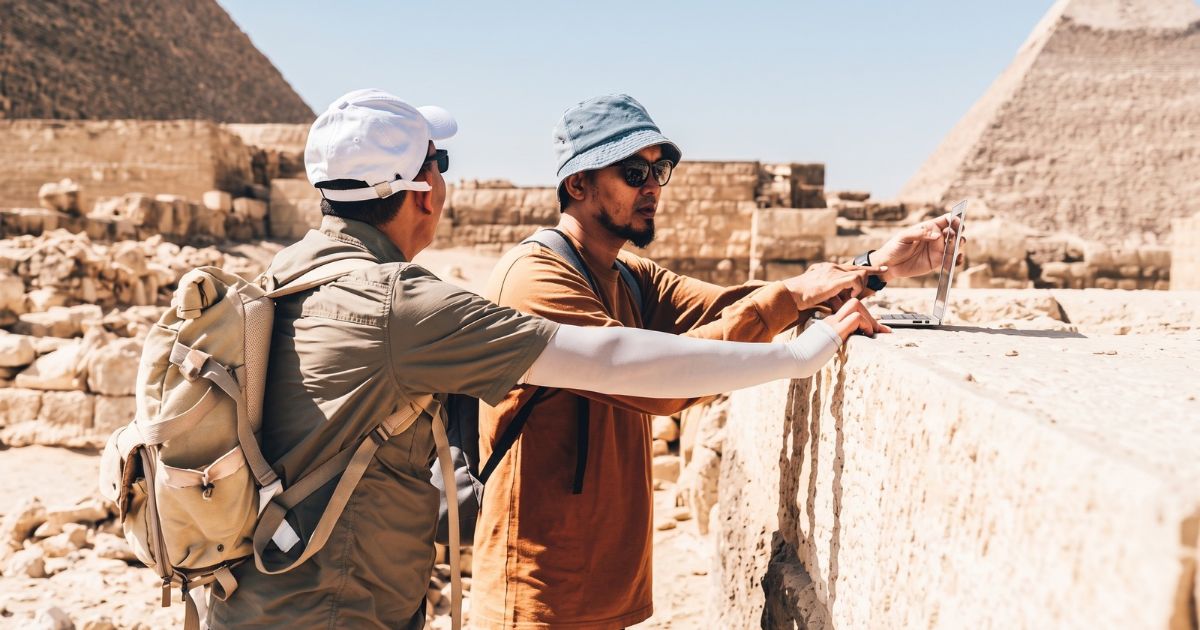
In short: A single supplement is the extra charge for occupying a room or cabin priced for two. Avoid it in Egypt by booking per-person travel — shared day tours and shared cruise departures — or by using single cabins, low-season dates or matched sharing. On Sawa shared departures the price is fixed per traveller, so solo travellers never pay a supplement.
By Islam Hussein, Egyptologist guide and founder of Sawa Tours · Working in Egyptian tourism since 1993 · Last updated: October 2026
Quick answer: A single supplement is the extra charge you pay for occupying a room or cruise cabin that is priced for two people. In Egypt there is no fixed rate for it — it is set per hotel, per boat and per season, and it can range from a modest add-on to nearly the price of a second person. The reliable ways to avoid it: book travel that is priced per person rather than per room (shared day tours and shared cruise departures), ask for one of the rare genuine single cabins, travel in the low season when empty berths get discounted, or agree to share with a matched traveller. On Sawa shared departures the price is fixed per traveller, so solo travellers never pay a supplement.
Key facts at a glance
What it is: The extra charge for one traveller occupying a room or cabin priced for two
Who sets it: Each hotel or cruise boat — there is no fixed industry rate in Egypt
How big it is: Often quoted as a percentage of the per-person fare; from a small add-on to close to the full second fare
Where it appears: Hotels and Nile cruise cabins sold per room for two
Where it doesn't: Day tours and shared departures priced per person
Single cabins: Rare on five-star Nile cruisers; most cabins are twin or double, and the few genuine singles sell first
Best avoidance: Per-person pricing on shared departures — the solo surcharge is zero by design
Sawa pricing: Day tours from €43–€96 per person; Nile cruises from €595–€691 per person, no supplement (as of October 2026)
Travelling alone in Egypt is the easy part — the country is used to solo visitors, and shared groups are full of them. The budget line that surprises people is different: you book a room or a Nile cruise cabin, and the price assumes two people are sharing it. Travel alone, and a supplement appears. This guide explains what that charge actually is, where it bites hardest in Egypt, and the practical ways to avoid paying it — without giving up the trip.
What a single supplement actually is
A single supplement is not a penalty for travelling alone; it is arithmetic. Hotels and cruise boats sell units — a room, a cabin — that are priced for two occupants. When one traveller takes the whole unit, the operator still has the same costs and one fewer payer, so it charges the solo traveller an extra to make up the difference. That extra is the single supplement.
The important consequence: the supplement only exists where pricing is per room or per cabin. Where a trip is priced per person — a day tour with a seat on a vehicle, a shared departure with a berth — there is nothing to supplement, and travelling alone costs the same as travelling as one half of a couple.
Where the single supplement hits hardest in Egypt
Three places, in order of pain:
Nile cruise cabins. Most five-star cruisers sell twin and double cabins; the brochure fare assumes two people sharing. Booking a cabin alone usually triggers the supplement, and true single cabins are rare — a handful of boats keep one or two, priced without a supplement but strictly limited, and they sell first.
Hotel rooms. The same per-room logic. City hotels in Cairo and Luxor and Red Sea resorts all quote room prices for two; a solo guest occupies the whole room for close to the full rate.
Dahabiyas and small boats. The wooden sailing boats have few cabins, so a solo traveller taking a cabin priced for two feels the supplement sharply — though their small size also makes them a candidate for a group of friends chartering whole.
Day tours, transfers and guide services are priced per person or per vehicle, so the concept simply does not arise there. The supplement is a rooms-and-cabins problem.
How big it usually is
There is no fixed industry rate in Egypt. The supplement is set per boat, per cabin grade, per hotel and per season, and it is often quoted as a percentage of the per-person fare. In practice it ranges from a modest add-on to close to the full second fare — which is why, on a room-based trip, the supplement can move a solo budget more than the star rating of the hotel or the boat.
The practical rule that follows: get the supplement in writing before you book flights. Ask for the total solo price — fare plus supplement — not just the headline per-person rate, so the comparison between options is honest from the start.
Seven ways to avoid paying it
Book per-person travel. Shared day tours and shared cruise departures price per traveller, so the solo surcharge is zero by design. You also inherit a ready-made group — most shared departures in Egypt are built for exactly this.
Ask for a genuine single cabin. A few Nile cruisers keep one or two. They are limited and sell first, so ask which boat your departure uses and whether it has one, before assuming the supplement applies.
Travel in the low season. In the hottest months, boats discount empty berths and some sailings drop the supplement entirely. Same temples, lower solo bill.
Agree to share. Many boats and tour companies will match a willing same-sex solo traveller with another. Sharing a twin cabin removes the supplement; the trade is privacy, not price.
Take the shorter sailing. A three-night cruise supplements less in absolute terms than a four-night one, and the saving can fund an Abu Simbel day trip instead.
Compare against a private tour honestly. A private tour is priced per vehicle, not per room — no supplement, but the whole cost is yours alone. For solo travellers it usually costs more than a shared departure, less than a supplemented premium cabin. Price all three before deciding.
Negotiate the cabin, not the rate. Supplement percentages are mostly fixed, but operators can move you between cabin grades. A lower-grade cabin with the same supplement costs less in total.
What the same solo trip can cost, three ways
Shared departure (per-person pricing): day tours from €43–€96 per person; a Nile cruise from €595–€691 per person full board. No supplement — you pay the listed per-person price.
Cruise cabin booked solo: the per-person fare plus the boat's supplement — anywhere from a small add-on to nearly double, set per boat and season, and knowable only in writing before you book.
Private tour: priced per vehicle and guide; no supplement, but the solo traveller carries the whole cost. Freedom and flexibility priced in.
What “no single supplement” should mean
Some offers advertise “no single supplement” and mean a genuine per-person price; others mean a limited promotion on specific dates or a cabin-grade upgrade that is already discounted. The check is the same either way: ask for the total price for one traveller, in writing, and compare it with the per-person price for two sharing. If they match, the offer is real. If they don't, the supplement is still there — just hidden in the wording.
How solo pricing works on Sawa
Sawa Tours is a shared-departure platform: it pools travellers from several Ministry-licensed Egyptian operators onto the same tour, boat or departure date — one tour, one guide, one price list for everyone, never more than 12 in a group.
Because you book a seat, not a room, the price is fixed per person and solo travellers pay exactly what everyone else pays:
Reserving a seat is free — no card is charged.
A date confirms at four travellers — the GoAhead — and only then does payment start, with the licensed operator's name on your departure page.
A 10% deposit is taken after the GoAhead, with the balance due days before travel — never a lump sum for a cabin you haven't checked.
No solo surcharge at any step. The per-person price is the solo price.
For a solo traveller the model removes the one cost that is hardest to predict on room-based travel, and adds the company that room-based travellers usually travel for: a small group, a licensed Egyptologist guide, and the same faces from pickup to drop-off.
Questions to ask before you book any solo trip in Egypt
What is the total price for one traveller — fare plus supplement — in writing?
Is the price per person or per room? Where exactly does the supplement appear?
Does this boat or hotel have a genuine single cabin or room, and is it available on my dates?
Is same-sex sharing offered if I want to drop the supplement?
Are there low-season dates where the supplement is reduced or waived?
Who is the licensed operator of record, and what does the per-person price include?
Frequently asked questions
What is a single supplement?
The extra charge a hotel or cruise boat makes when one traveller occupies a room or cabin priced for two. It exists because the unit's cost is fixed while one traveller pays instead of two.
Do Egypt day tours charge a single supplement?
No. Day tours are priced per person — a seat in the vehicle, the guide, the entries — so a solo traveller pays the listed per-person price. The supplement appears on room- and cabin-based travel: hotels, Nile cruisers and dahabiyas.
Can I avoid the single supplement on a Nile cruise?
Yes. Book a shared cruise departure with per-person pricing, ask whether your boat has one of the rare genuine single cabins, travel in the low season when berths are discounted, or agree to share a twin cabin with a matched traveller.
Does Sawa Tours charge a single supplement?
No. Sawa sells seats on shared departures at a fixed per-person price — day tours from €43–€96, Nile cruises from €595–€691 per person (as of October 2026). Solo travellers pay the same listed price as everyone else, with nothing charged before the departure confirms at four travellers.
Is it worth paying the supplement for my own room?
Sometimes. If privacy matters more to you than the money — a cabin to sleep in before a 4 AM Abu Simbel start, quiet evenings after full days — pay it knowingly. The mistake is paying it accidentally, by not asking what the solo total is before booking.
Do hotels in Egypt charge solo travellers more?
Hotels price rooms for two, so a solo guest usually pays close to the full room rate — effectively a supplement. Per-person properties (hostels, some budget hotels, shared-departure packages) price per traveller, and there the question disappears.
The short version
A single supplement is what you pay for a room priced for two. Avoid it by buying travel priced per person: shared day tours, shared cruise departures, per-person packages — or by asking for a single cabin, sharing a twin, or travelling when boats discount empty berths. Always get the total solo price in writing before booking. On Sawa shared departures, the per-person price is the solo price, and nothing is charged until your date confirms.
About the author
Islam Hussein is an Egyptian guide who has worked in Egyptian tourism since 1993, and the founder of Sawa Tours. More about Sawa Tours.
Questions
What is a single supplement?
The extra charge a hotel or cruise boat makes when one traveller occupies a room or cabin priced for two. It exists because the unit's cost is fixed while one traveller pays instead of two.
Do Egypt day tours charge a single supplement?
No. Day tours are priced per person — a seat in the vehicle, the guide, the entries — so a solo traveller pays the listed per-person price. The supplement appears on room- and cabin-based travel: hotels, Nile cruisers and dahabiyas.
Can I avoid the single supplement on a Nile cruise?
Yes. Book a shared cruise departure with per-person pricing, ask whether your boat has one of the rare genuine single cabins, travel in the low season when berths are discounted, or agree to share a twin cabin with a matched traveller.
Does Sawa Tours charge a single supplement?
No. Sawa sells seats on shared departures at a fixed per-person price — day tours from €43–€96, Nile cruises from €595–€691 per person (as of October 2026). Solo travellers pay the same listed price as everyone else, with nothing charged before the departure confirms at four travellers.
Is it worth paying the supplement for my own room?
Sometimes. If privacy matters more to you than the money — a cabin to sleep in before a 4 AM Abu Simbel start, quiet evenings after full days — pay it knowingly. The mistake is paying it accidentally, by not asking what the solo total is before booking.
Do hotels in Egypt charge solo travellers more?
Hotels price rooms for two, so a solo guest usually pays close to the full room rate — effectively a supplement. Per-person properties (hostels, some budget hotels, shared-departure packages) price per traveller, and there the question disappears.